Portion sizes
Use your hands to measure portion sizes
You should aim to adjust portion sizes to ensure you have the correct amount, depending your age, size and activity level.
Find out daily recommended portions for adults by clicking here.
Find out what food groups make up a healthy balanced diet by clicking here.
How to measure portion size?
Using your hand acts as a great guide.
British Heart Foundation have an interactive portion guide to help you get started.

Reference: Food portions - BHF
Rice
(or bread, rice, pasta and potatoes, this food group includes oats, chapattis, naan, yam, plantain and couscous). These are called carbohydrates.

(Green = carbohydrates e.g. rice)
Rice portion = the size of your palm.
Here is an example of a lower‑carbohydrate meal, created by replacing some of the rice on the plate with vegetables or salad.

Ref: Cultural Diets | Know Diabetes
Fruit and Vegetables
Eating at least five portions a day has been shown to help lower the risk of developing conditions like diabetes and heart disease.
Try to eat more vegetables, which can be fresh, frozen, or tinned (e.g. in water).

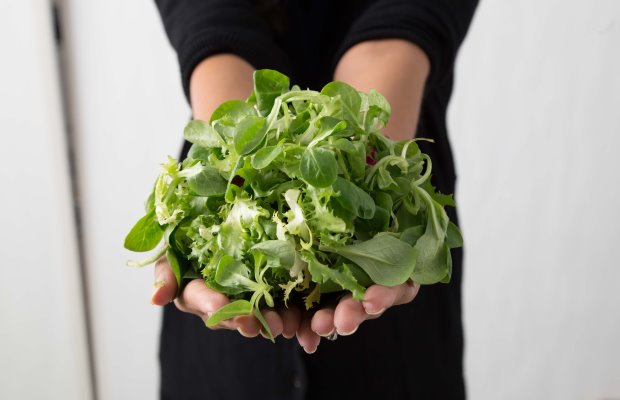
Vegetables: aim for two portions — that’s two palm‑sized amounts at each meal.
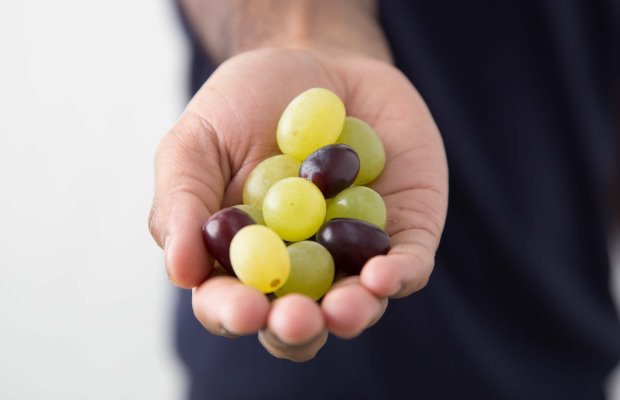
Fruit: stick to one portion — about one palm‑sized amount e.g.
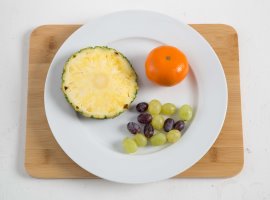 One portion
Meat
Some types of meat (e.g. lamb, beef, pork) are high in unhealthy fats and can raise your cholesterol.

Meat (lamb, mutton, beef): keep to one palm‑sized portion and choose lean cuts or lean mince.
Try swapping meat in your meals for pulses and grains like chickpeas, kidney beans.
Or go one step further and have some meat-free days.
Fish or chicken

Chicken or fish: aim for a portion the size of your whole hand e.g.

Cheese
Cheese: one portion is the length of your index finger and the height of your fingertip.
